Devlog 011 / Garage
Tuning, Upgrades and Customization
Building a car in Project Tourge is not about filling a performance bar. Upgrades change the hardware, and tuning adjusts what the installed hardware allows. Both can improve one area of the car while creating a compromise somewhere else.
Hardware comes first
The tuning screen cannot create equipment that is not fitted. Adjustable suspension opens suspension settings. Alignment parts increase the available range. A tunable limited-slip differential provides controls that an open or welded differential does not.
This keeps the relationship between buying and tuning clear. An upgrade establishes the capability of the car. The setup decides how that capability is used.
Engine and drivetrain
Engine upgrades can change more than peak power. They can move the useful part of the rev range, change response and alter how quickly the engine gains or loses RPM. Supporting parts and compatibility matter, so a build has to work as a group rather than as a stack of unrelated percentages.
The gearbox and final drive decide how the engine's output reaches the road. Shorter gearing can improve acceleration but reaches the end of each gear sooner. Taller gearing extends the gear but reduces the torque available at the wheels.
Differential behaviour changes how the driven wheels share power. More locking can help both tyres work together under throttle, but too much can make the car resist turning. Coast behaviour affects how the car rotates when the driver lifts or enters a corner.
Suspension and alignment
Springs support the car and influence how load is shared once the chassis settles. Dampers control how quickly the suspension moves into and out of that state. Anti-roll stiffness changes how the two wheels on an axle share cornering load.
Ride height and suspension travel matter together. Lowering a car can change its stance and response, but removing too much travel can make it nervous on bumps. A setup that works on smooth asphalt may not suit a rough mountain road.
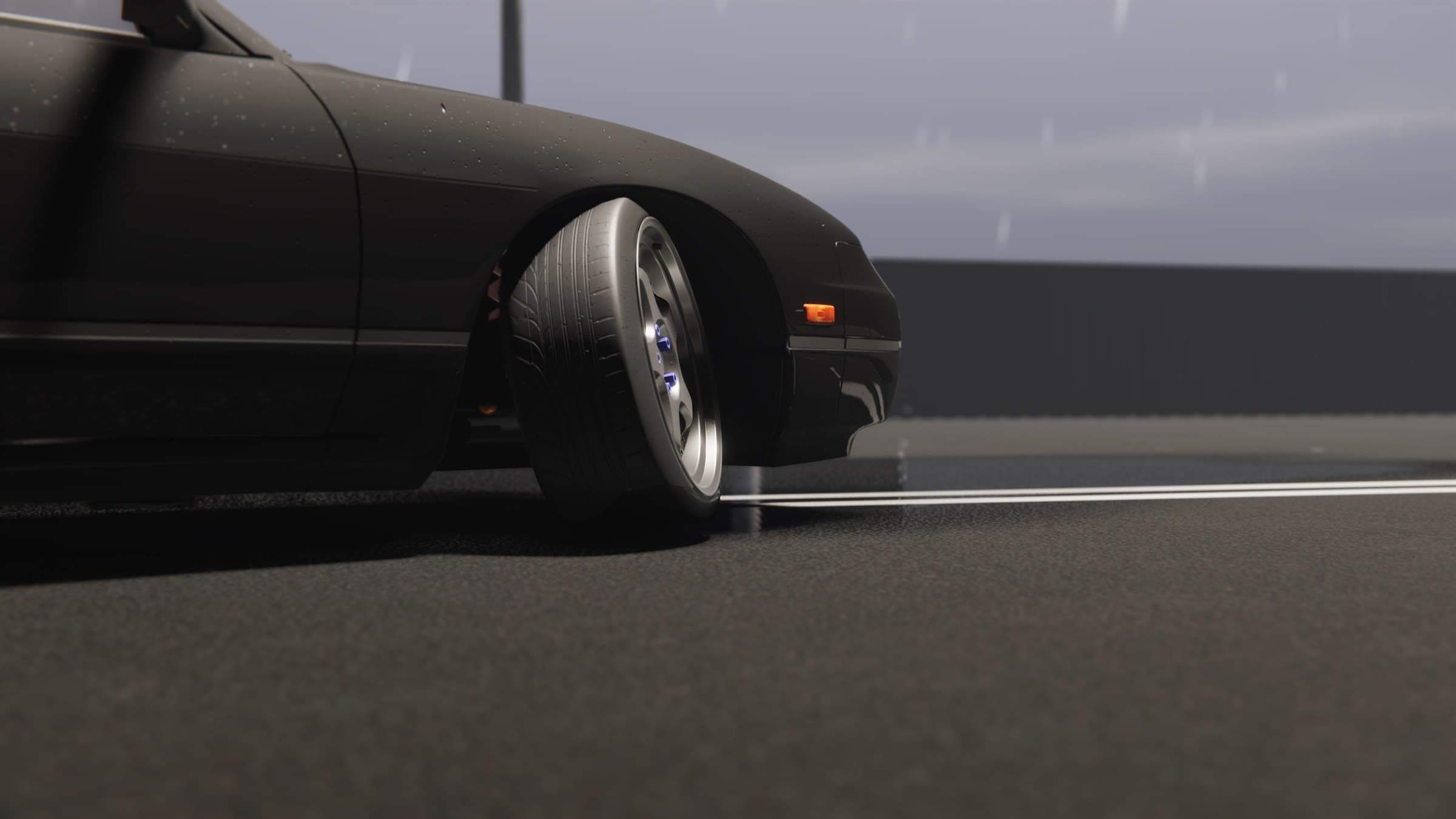
Alignment changes both appearance and behaviour. Camber affects how the tyre meets the road while the car rolls and steers. Toe changes stability and initial response. Caster affects self-centring and steering weight. Wheel offset can change fitment as well as the leverage at the steering axis.
Brakes, tyres and engine calibration
Brake strength and front-to-rear balance affect stability during braking. Moving the balance changes which axle is asked to do more work and can make the car safer or more willing to rotate.
Front and rear tyre pressures can be adjusted separately. Pressure affects response, heat and how the tyre supports the car, so the useful setting depends on compound, axle load and driving style.
Engine calibration allows the fitted setup to be refined across different operating conditions. Fuel, ignition and boost choices can affect power, response, efficiency and engine safety. It is tuning, not a free power slider.
A build worth spending hours on
One of the central goals for Project Tourge is to make upgrading and tuning an engine something a player can spend hours exploring. Buying good parts should be enough to produce a genuinely fast car. A player should not need specialist knowledge just to make an upgrade work or enjoy the performance they paid for.
The deeper reward comes from the time spent after installation. Someone who tests different combinations, studies the way the engine delivers its power, adjusts the calibration and matches the gearing to the build should end up with a car that feels more complete and more personal. The advantage comes from making better use of the parts—not from unlocking a hidden multiplier that leaves everyone else far behind.
That time should create ownership rather than busywork. Two players can begin with the same car and similar upgrades, then take them in different directions through engine choice, supporting hardware, calibration, gearing and the way they intend to drive. One may favour immediate response and technical roads, while another may build around high-speed pulls or controlled power delivery for drifting.
This is the experience we want to protect: getting a fast car can be straightforward, but understanding it, refining it and turning it into your car can remain interesting for much longer.
Customization is work in progress
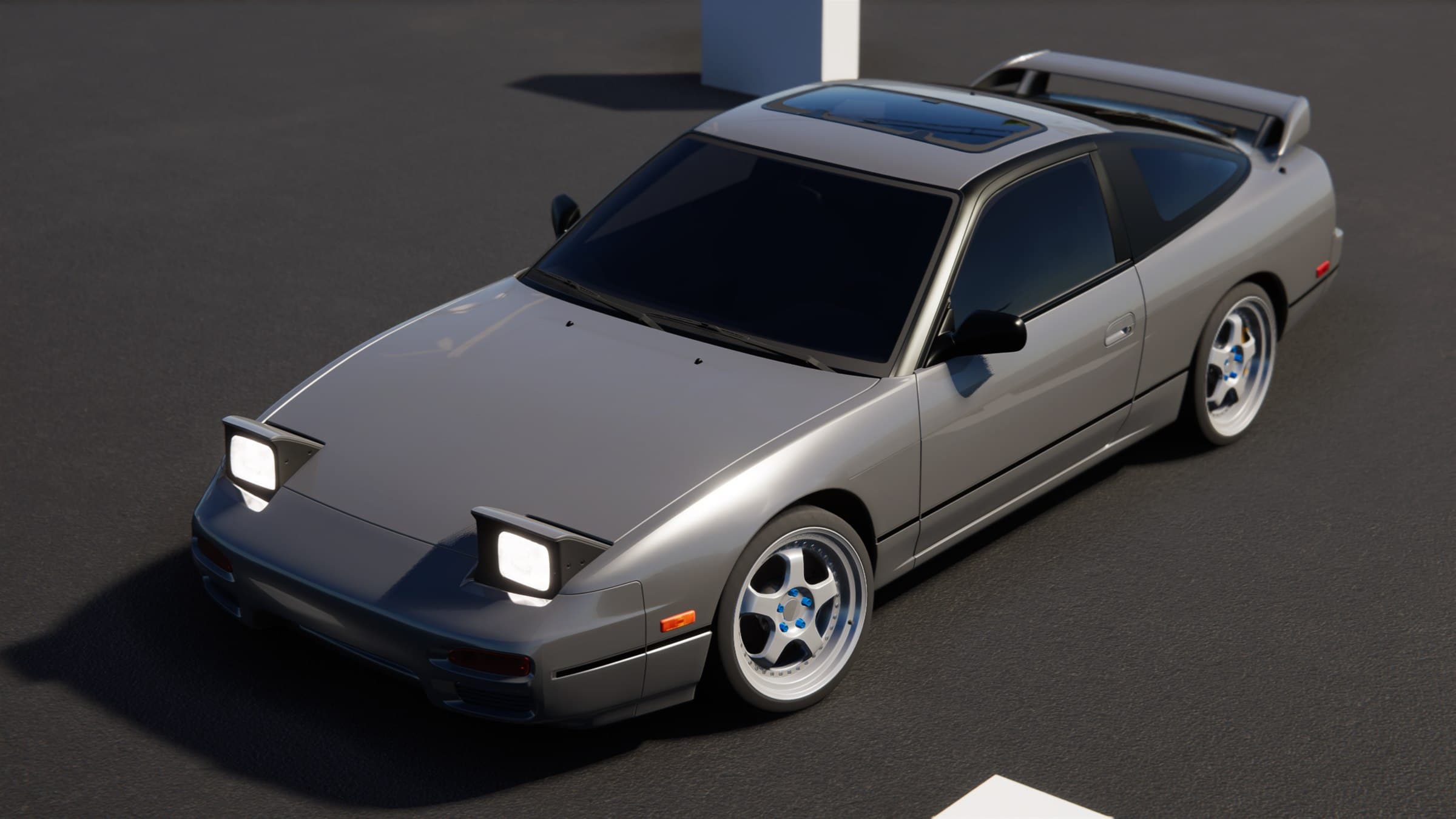
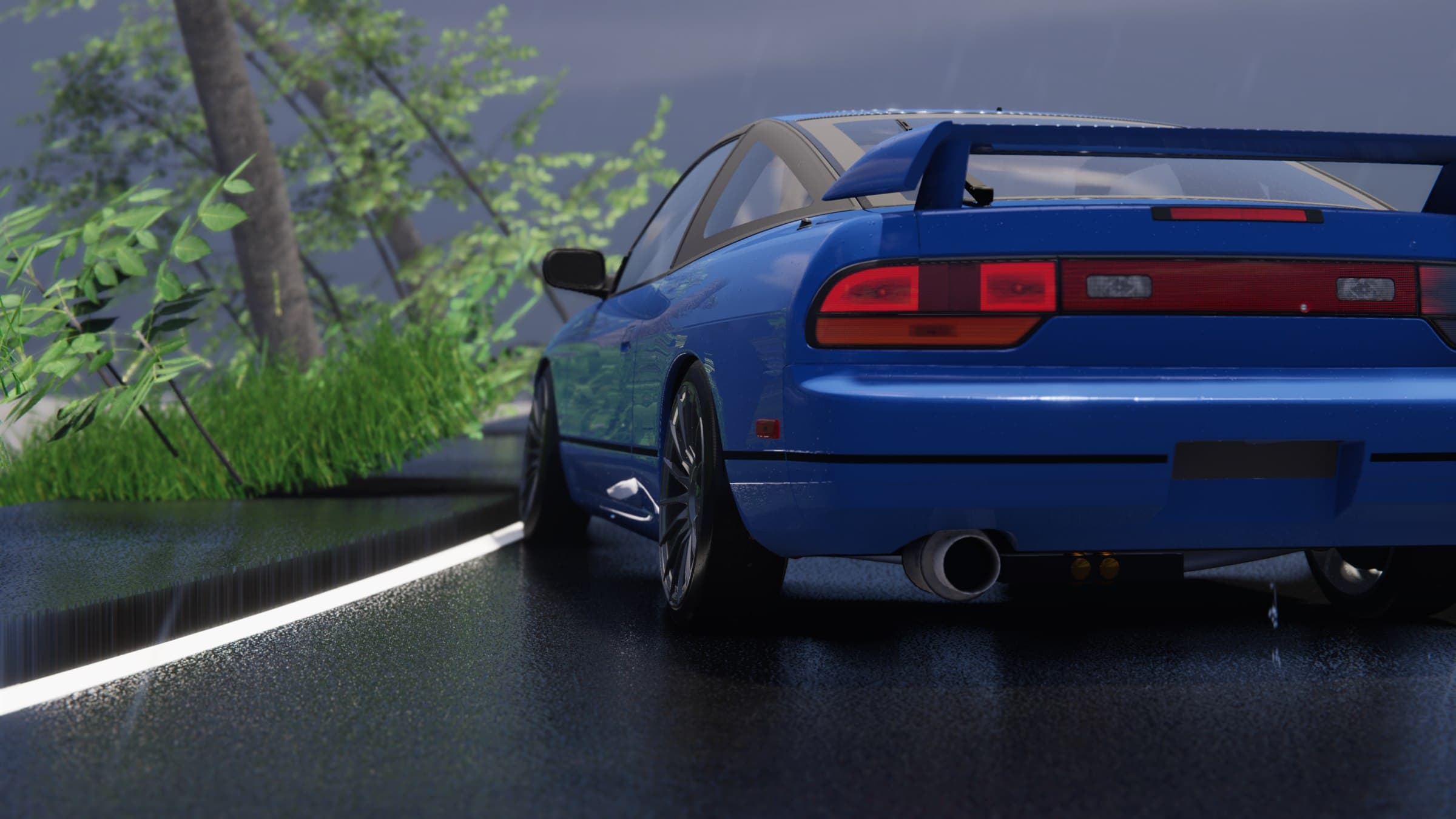
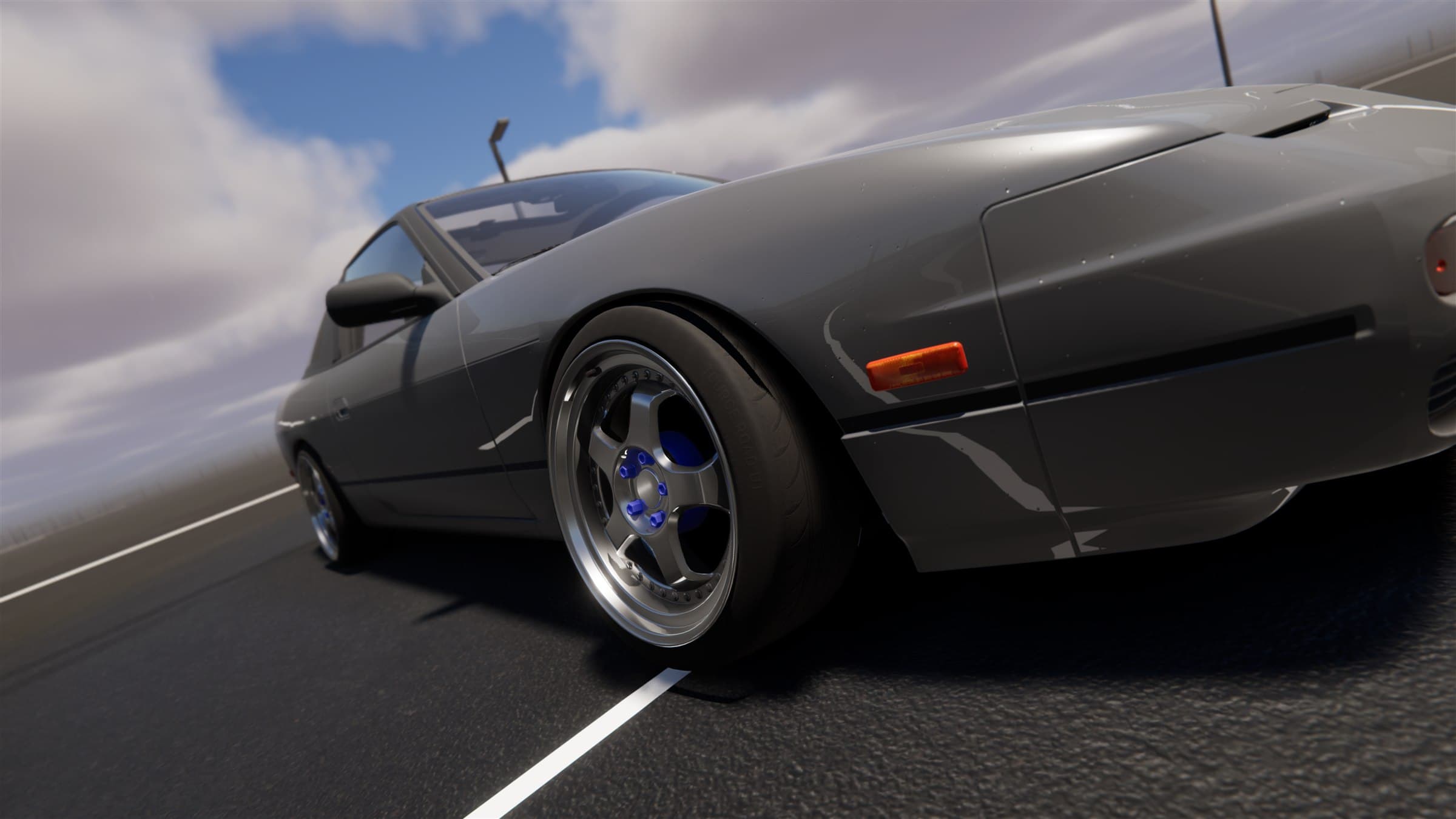
Visual customization includes paint and finish options, wheels, exhaust appearances, spoilers and detailed colour choices for visible parts. This area is still growing, and its selection and presentation will continue to change.
Cosmetic and performance changes remain clearly separated. A visual wheel design does not hide a physics upgrade, and an exhaust appearance does not silently add power.
Choose the hardware, understand the compromise and build a car that feels like your own.
Development archive