Devlog 010 / Hardware
Wheel Physics and Direct Drive
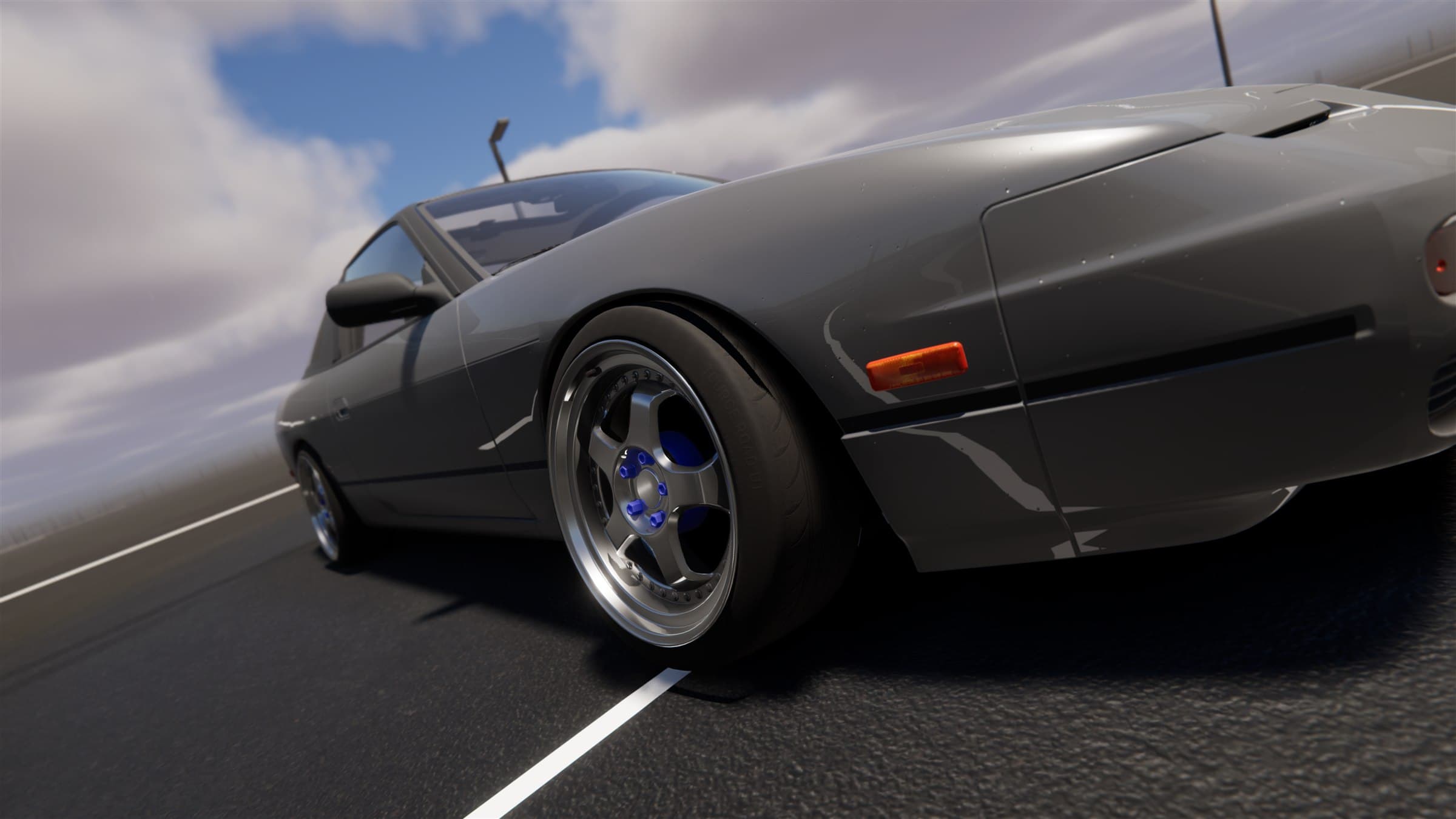
Wheel support in Project Tourge begins with the steering rack. The force sent to the player's hands is based on the steering and front-tyre behaviour already acting on the car.
From the contact patch to the rim
As a front tyre builds cornering force, it also creates a tendency to align itself with the direction of travel. Steering geometry adds its own leverage, and those forces meet at the rack before reaching the steering column.
That relationship produces the main force-feedback behaviour. Steering gains weight as the front axle loads up, self-centring changes with speed and grip, and the wheel can become lighter when the front tyres slide. During oversteer, the same connection helps the rim move toward counter-steer.
Road texture, kerbs and suspension impacts add detail to the signal. They are kept separate enough to adjust, but they sit on top of the rack force rather than replacing it with canned vibration.
Matching the real and virtual wheel
The physical rotation range should match the range selected for the car. When those values agree, turning the player's rim produces the intended movement at the simulated steering column. A mismatch can make the car feel too fast, too slow or reach full lock before the physical wheel does.
This direct relationship is especially important on direct-drive hardware. A strong base can reproduce small changes in tyre load and large steering forces, but maximum strength is not automatically maximum information. The useful setup is one that preserves detail without exhausting the driver or clipping every heavy corner into the same force.
Hardware support and adjustment
The current Windows wheel path supports common Logitech hardware and DirectInput-compatible bases from manufacturers including MOZA, Fanatec, Thrustmaster, Simucube and AccuForce. Separate pedals, shifters and handbrakes can be assigned as part of a multi-device rig.
Players can adjust strength, smoothing, damping, minimum force and additional road detail to suit their hardware. A small gear-driven wheel needs a different presentation from a high-torque direct-drive base, but both receive the same underlying rack behaviour.
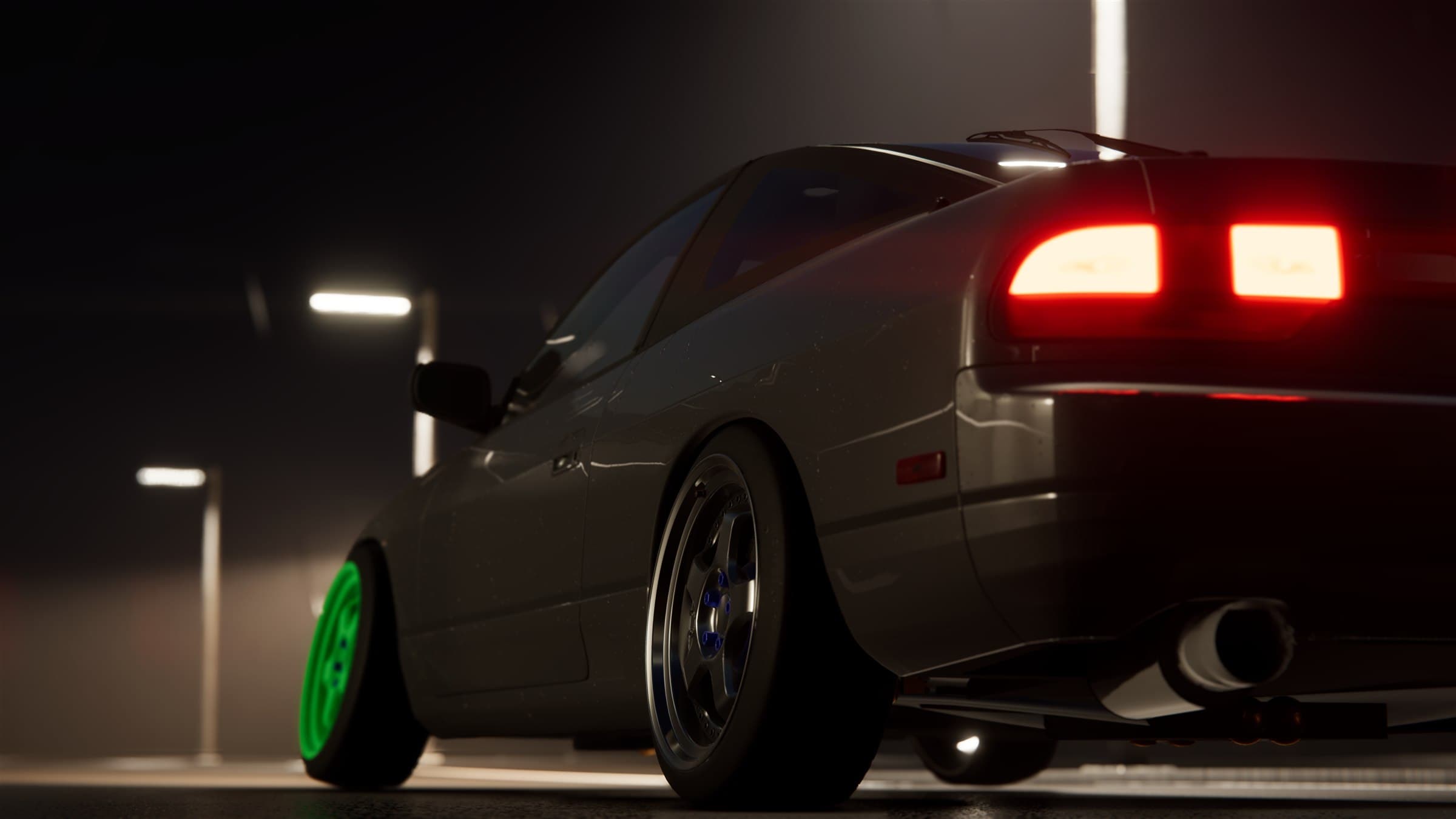
The aim is not to make the wheel constantly busy. Force feedback should help the driver recognise load, grip and recovery while leaving the car's real movement to the physics.
The wheel is connected to the rack, the rack is connected to the tyres, and the tyres are connected to the road.
Development archive