Devlog 023 / Project
Development Update and Private Testing
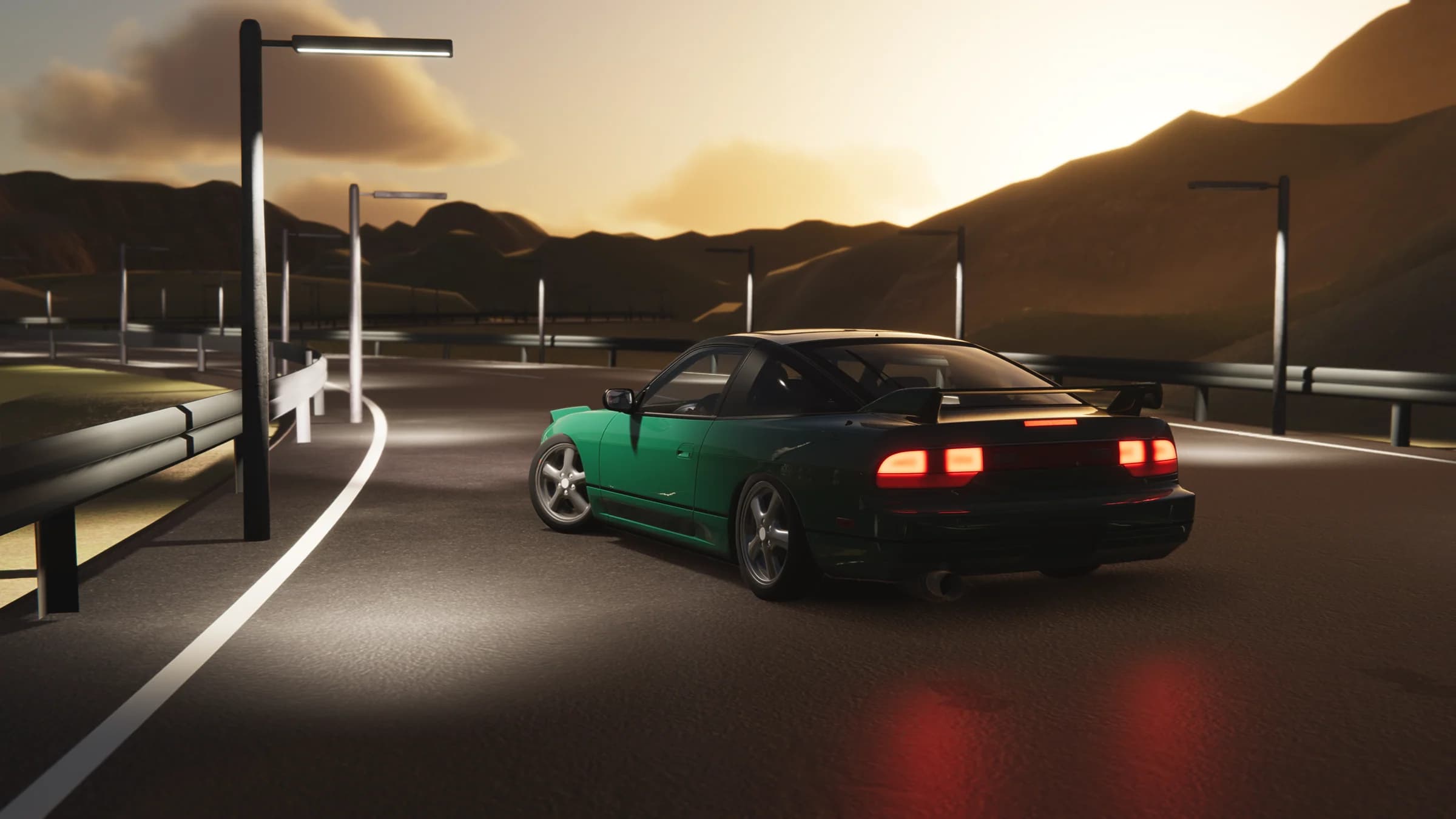
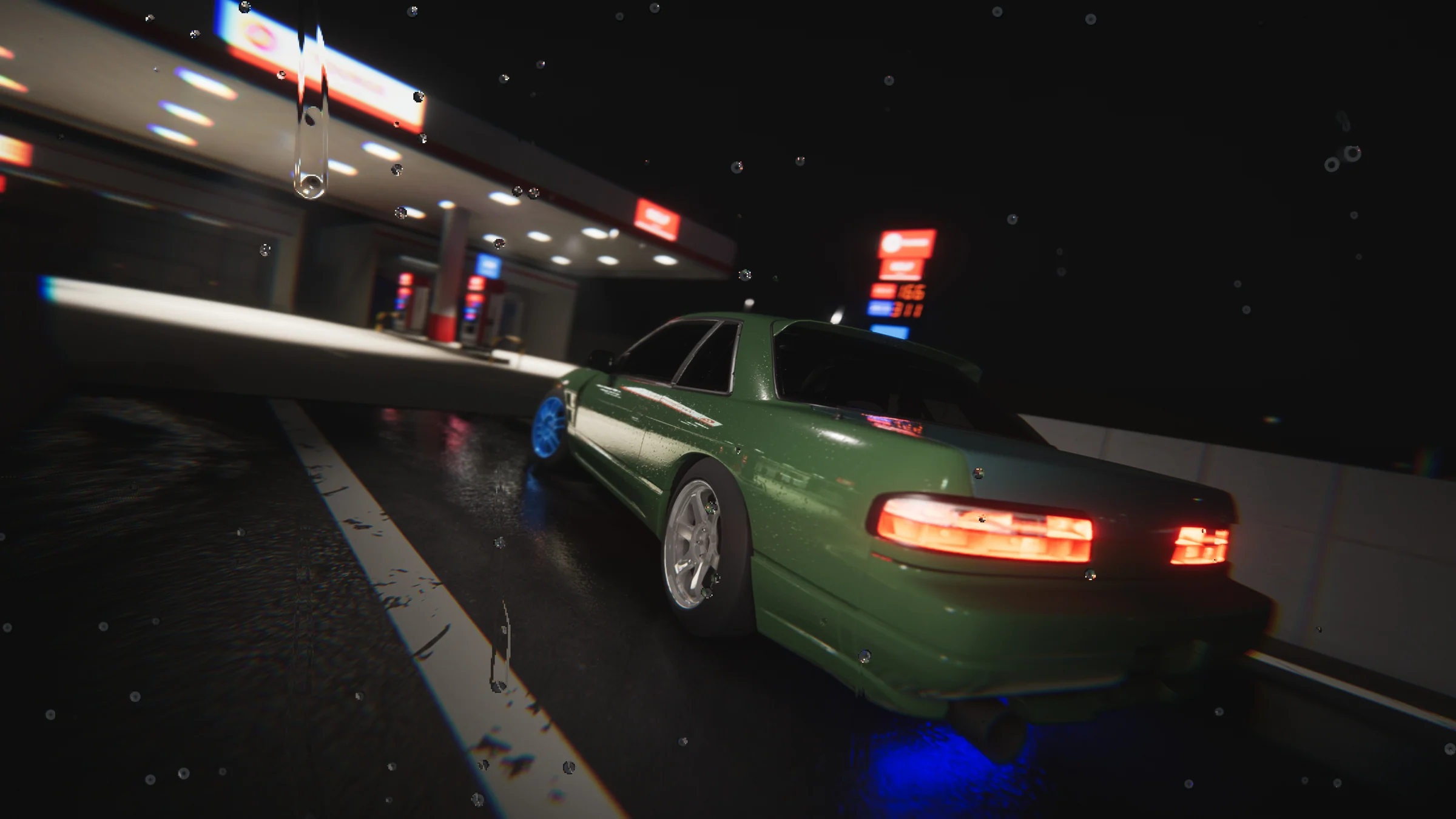
There has been a lot happening behind the scenes, even if the devlogs have been quiet. Project Tourge has changed significantly since the last update, and there is far more to share than I can reasonably fit into one post.
Project Tourge is currently in private testing. Access to the game is limited to me and people I personally give access to. There is no public purchase or download available.
The game is playable and actively being developed. Systems, balance, content and the world are still evolving, with feedback from invited testers helping me improve the experience.
Private testing
Builds are shared privately with people I have given access to. Access is by personal invitation only.
Development continues with new content, map work, system improvements, balance changes and fixes. Invited testers help check how those changes feel and identify problems across different setups.
The project is still being developed independently. You can follow progress through these devlogs and the community while I keep working on the game.
A much larger sound update
The audio system has received a substantial update without changing the goal behind it: the car should sound like a machine responding to what is physically happening.
Engine audio now follows the simulated combustion and the current state of the engine more closely. It is not just one sound changing pitch as the revs rise. The result responds more naturally as the engine starts, settles, takes load and moves through the rev range.
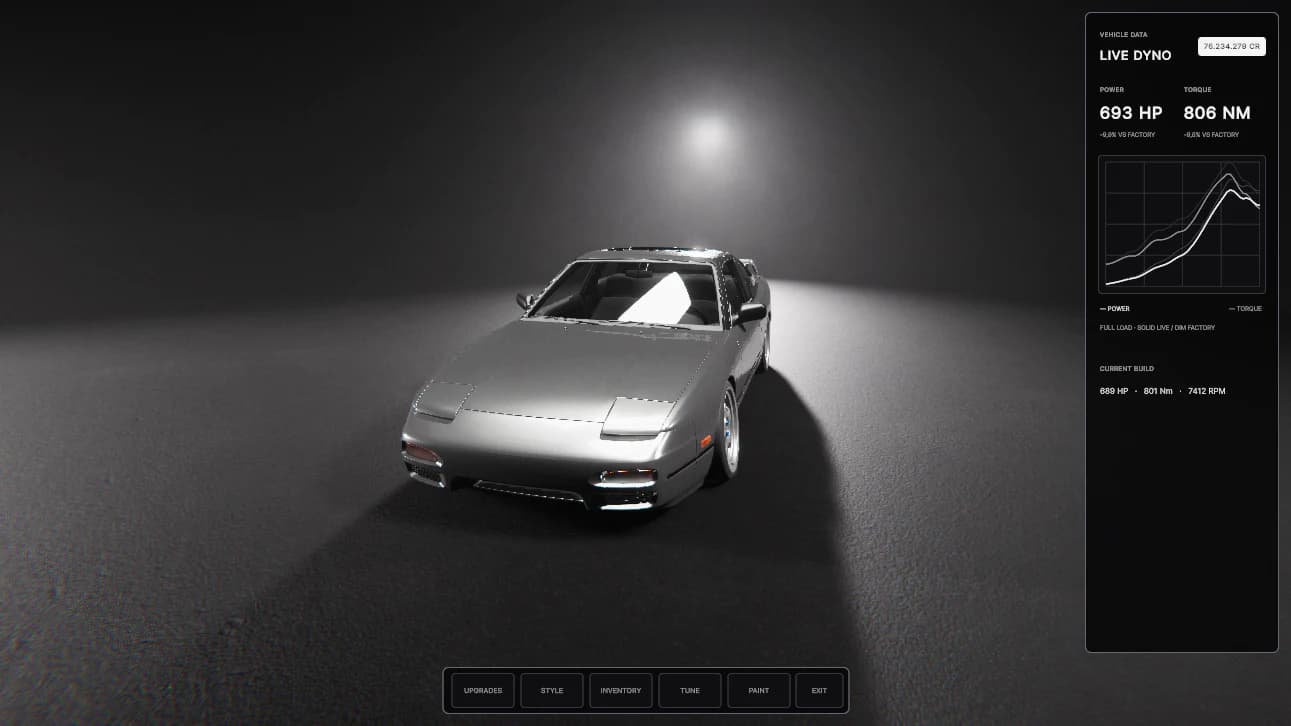
Project Tourge now includes more than 180 engine-swap options, each with its own real engine sound. The expanded selection includes boxer engines as well as V8, V10 and V12 configurations. Different engines should provide a different reason to build a car—not just another set of performance numbers.
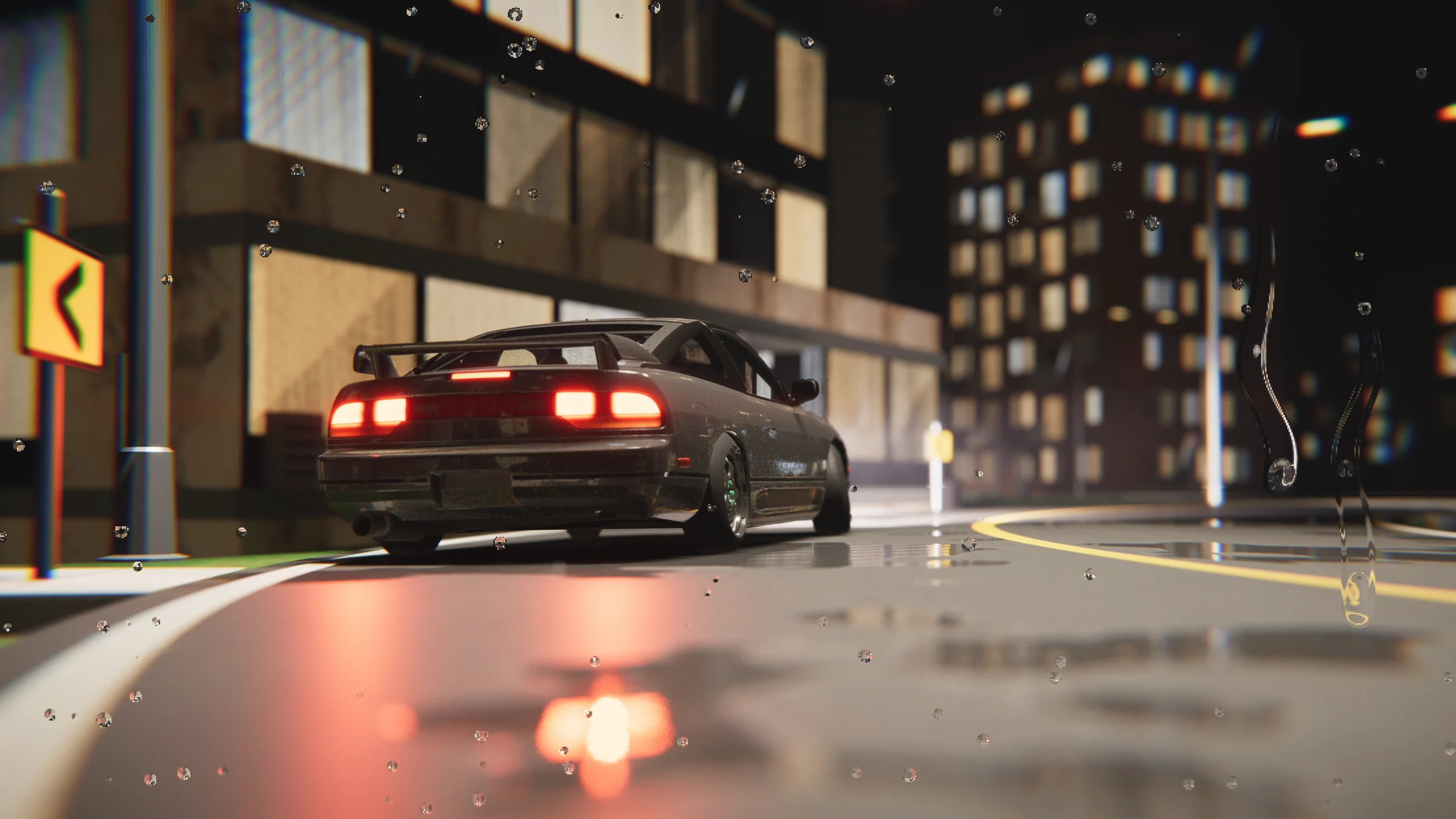
Turbo audio has also been updated alongside the turbo systems themselves. Tyres have new sounds, exhaust pops have new sounds, and airflow is now more present around the car. Garages, rain and the cockpit have all received additional audio work so the environment does not disappear as soon as the engine starts.
None of these sounds are meant to fight for attention. They are there to make the car and the space around it feel connected.
Tyres, deformation and the road
The tyre model has been updated again with behaviour that is closer to the real world. The changes improve the way the tyre builds and loses grip, how it communicates that limit and how the car responds when the driver asks for more than the road can provide.
Visible tyre deformation has also been improved. It is not only a graphical effect: it helps the wheel look connected to the load being carried instead of appearing like a rigid object passing over the road. Together with the new tyre sounds, the player receives more useful feedback before and during a slide.
Steering controls for controllers have been revised as well. The controller still communicates with the same steering-rack foundation as other inputs, but the way the player's input reaches that rack is now clearer and more predictable. Rack interaction has also improved, making the front tyres and steering feel more connected through normal driving and at the limit.
Heat and cooling now matter
Engine and oil temperatures are now visible through the redesigned car speedometer interface, but the numbers are not there for decoration.
The way the car heats and cools is simulated. Airflow depends on the direction the car is travelling, while the amount of heat being produced depends on how hard the car is being driven. A gentle drive and a sustained high-load run do not place the same demand on the cooling system.
New cooling upgrades give players a way to prepare a build for that demand. Adding power without considering temperature is no longer the complete answer; the supporting systems need to match what the engine is being asked to do.
Starting, shifting and controlling the car
The engine can now be switched off and started realistically. Starting includes the cranking process and its sound instead of instantly changing the engine from off to running. It is a small interaction, but it makes entering, stopping and living with the car feel more deliberate.
DSG support has also been added for engines that require it. It sits alongside the wider drivetrain work and gives those engine and transmission combinations the behaviour they need rather than forcing every build through the same solution.
These additions follow the same rule as the rest of Project Tourge: useful quality-of-life systems are welcome, but the game should not quietly perform every part of owning and operating the car for the player.
A cleaner game around the driving
The entire interface has been rebuilt and refined, including a new speedometer display with engine and oil temperature information. Teleportation has been updated, and the wider game balance has been revised.
The economy now uses Japanese yen, with prices based around real-world values. This gives cars, parts and services a more believable relationship with each other and makes progression easier to understand without turning the economy into arbitrary game numbers.
There are also new in-game tasks and challenges that provide ways to earn money. They give players a reason to explore and drive while supporting the larger ownership loop: earn, buy, upgrade, tune and continue building the car you want.
There is more than I can list
This is only the short version. Many more systems have been added, adjusted or fixed, and after so much continuous work I will almost certainly have forgotten something worth mentioning here.
Private testing helps me check these changes in practice. Invited testers can drive the cars, find the weak points and provide feedback on what needs more work.
I will keep sharing progress here. For now, game access remains private and is only given to people I personally invite.
Development archive