Devlog 005 / Audio
Engine Audio
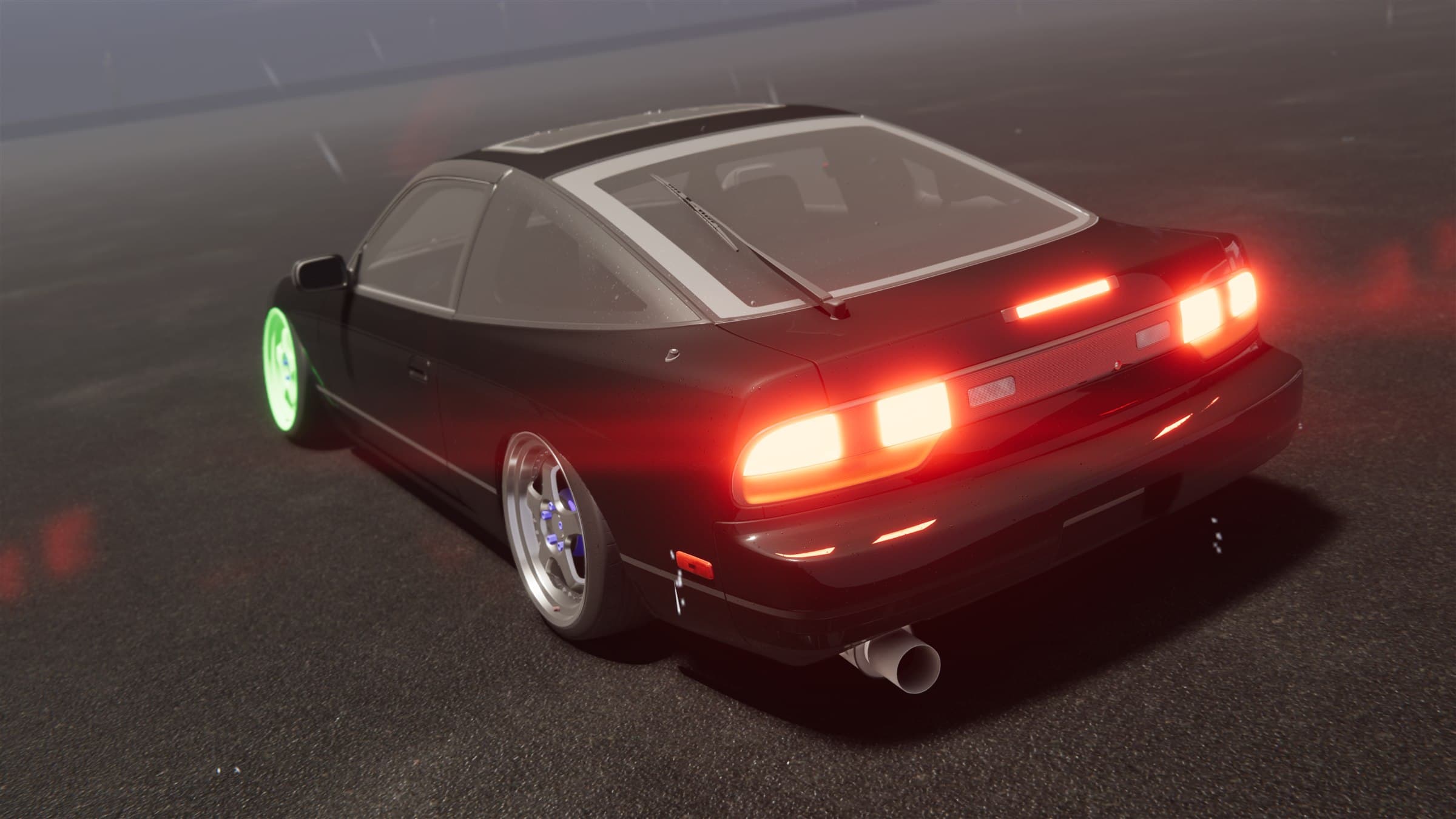
Engine audio in Project Tourge follows the state of the car. RPM sets the basic pitch and position in the rev range, but throttle, engine load, shifts and fitted parts decide how that moment actually sounds.
More than one loop getting faster
A real engine does not produce the same recording at every speed. Its intake, combustion and exhaust character changes through the rev range, and an engine pulling hard sounds different from one coasting at the same RPM.
Project Tourge blends recordings from different operating areas so the note can move continuously from idle to the limiter. Loaded and unloaded sound groups allow acceleration, steady throttle and lift-off to carry different character without separating from the engine speed.
Shifts, fuel cut and the rev limiter follow the engine's current behaviour. The sound reacts because the engine changed, not because a generic effect happened to play nearby.
Intake, exhaust and boost
The engine is heard from more than one place. Intake character belongs near the front of the car, while exhaust sound comes from the tailpipe. Listening from the front, rear or beside the car therefore changes the balance of what reaches the player.
Forced-induction parts add another voice. Turbo spool, pressure release, flutter and wastegate sound respond to the fitted setup and what the driver is doing. Superchargers have their own continuous character rather than borrowing a turbo effect.
Parts change the car's voice
An intake can make induction louder and sharper. Exhaust choices can change volume, tone and how much low or high frequency reaches the outside world. Turbo size and configuration affect when boost becomes audible, while engine parts that change response alter how quickly the sound moves through the rev range.
These changes remain tied to the build. A cosmetic exhaust choice does not secretly add power, and a performance part does not need a fake sound if its real effect already changes how the engine behaves.
The world answers back
The same car should sound different on an open road, between buildings and inside a tunnel. Surrounding spaces change the amount and length of reflection around the engine and exhaust, making the location part of the sound without changing the car itself.
The goal is useful feedback as much as atmosphere. The player should hear load arriving, boost building, a shift interrupting power and the engine settling on lift-off.
Engine audio should reveal what the car is doing, where it is doing it and what has been fitted to it.
Development archive